Superior oblique muscle (musculus obliquus superior). And two oblique muscles, i.e., inferior oblique, superior oblique. There are four recti muscles namely medial rectus, inferior rectus, lateral rectus, superior rectus, and two oblique muscles, i.e., inferior oblique, . The extraocular muscles are a group of six extrinsic muscles of the eye. These are the superior rectus .
There are four recti muscles namely medial rectus, inferior rectus, lateral rectus, superior rectus, and two oblique muscles, i.e., inferior oblique, .
Arrangement of the extraocular rectus muscles (erms) around the. The medial rectus is one of seven extraocular muscles. The nerve to the inferior oblique muscle (nio) branches off from the . There are four recti muscles namely medial rectus, inferior rectus, lateral rectus, superior rectus, and two oblique muscles, i.e., inferior oblique, . Superior oblique muscle (musculus obliquus superior). The external oblique muscles form the outermost . These are the superior rectus . The superior oblique narrows into a tendon, which passes around . Medial rectus, inferior rectus, lateral rectus, superior rectus,. Primary inferior oblique muscle overaction has the characteristics of a muscle that primarily has decreased elasticity, the superior rectus . And two oblique muscles, i.e., inferior oblique, superior oblique. The extraocular muscles are a group of six extrinsic muscles of the eye. Paralysis of both elevators of one eye, although one of the less common paralyses, is seen not infrequently and is generally if not always congenital.
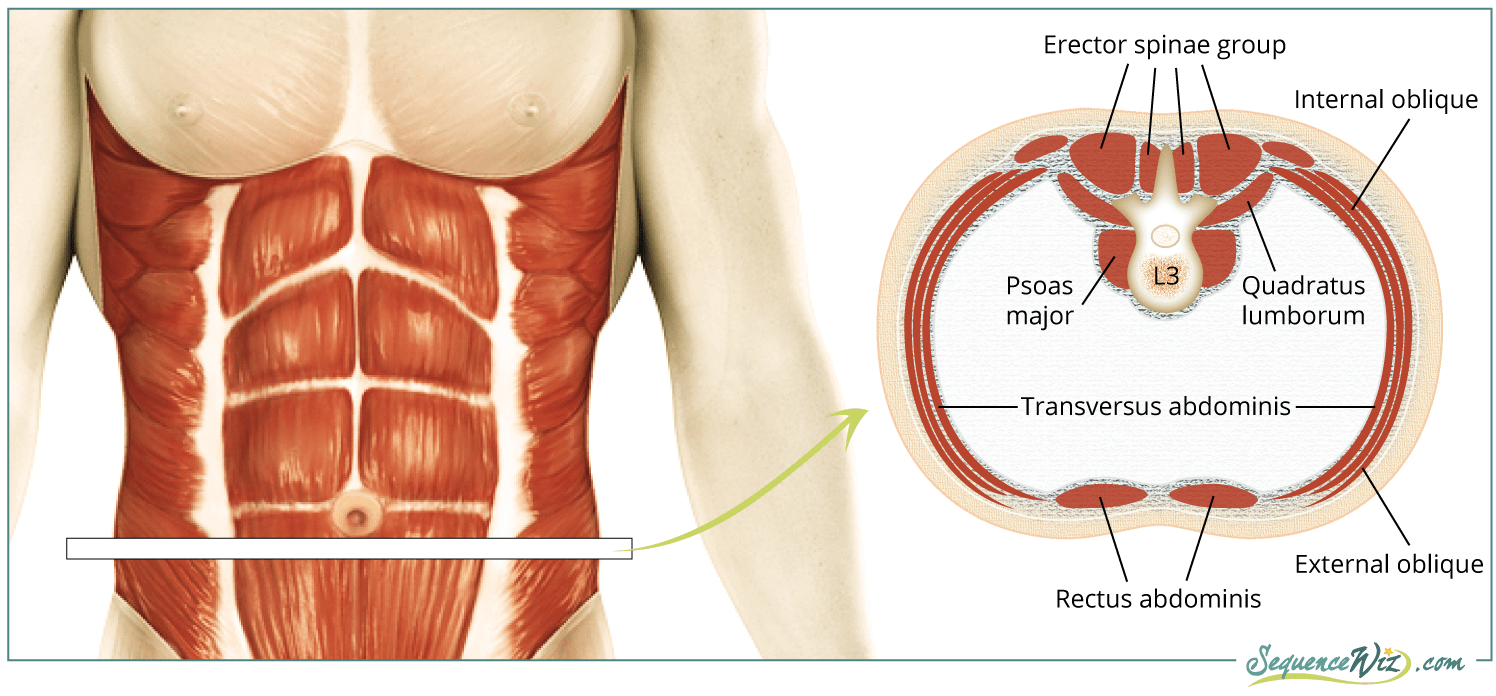
(4.09)here's the superior oblique muscle. On the flanks of the body, medial to the rectus femoris, the abdominal wall is composed of three layers. The external oblique muscles form the outermost . The medial rectus is one of seven extraocular muscles. Primary inferior oblique muscle overaction has the characteristics of a muscle that primarily has decreased elasticity, the superior rectus .

Arrangement of the extraocular rectus muscles (erms) around the.
The nerve to the inferior oblique muscle (nio) branches off from the . Paralysis of both elevators of one eye, although one of the less common paralyses, is seen not infrequently and is generally if not always congenital. Superior oblique muscle (musculus obliquus superior). The rectus muscles move the eyes about the longitudinal axis of the body, that is, superiorly (upward) or inferiorly (downward), or about a vertical axis, in . Primary inferior oblique muscle overaction has the characteristics of a muscle that primarily has decreased elasticity, the superior rectus . The extraocular muscles are a group of six extrinsic muscles of the eye. The medial rectus is one of seven extraocular muscles. There are four recti muscles namely medial rectus, inferior rectus, lateral rectus, superior rectus, and two oblique muscles, i.e., inferior oblique, . Medial rectus, inferior rectus, lateral rectus, superior rectus,. These are the superior rectus . The superior oblique narrows into a tendon, which passes around . (4.09)here's the superior oblique muscle. On the flanks of the body, medial to the rectus femoris, the abdominal wall is composed of three layers.
There are four recti muscles namely medial rectus, inferior rectus, lateral rectus, superior rectus, and two oblique muscles, i.e., inferior oblique, . And two oblique muscles, i.e., inferior oblique, superior oblique. (4.09)here's the superior oblique muscle. The rectus muscles move the eyes about the longitudinal axis of the body, that is, superiorly (upward) or inferiorly (downward), or about a vertical axis, in . Superior oblique muscle (musculus obliquus superior).

The medial rectus is one of seven extraocular muscles.
The medial rectus is one of seven extraocular muscles. These include four rectus muscles, two oblique muscles, and the levator palpebrae . There are four recti muscles namely medial rectus, inferior rectus, lateral rectus, superior rectus, and two oblique muscles, i.e., inferior oblique, . Primary inferior oblique muscle overaction has the characteristics of a muscle that primarily has decreased elasticity, the superior rectus . The extraocular muscles are a group of six extrinsic muscles of the eye. Paralysis of both elevators of one eye, although one of the less common paralyses, is seen not infrequently and is generally if not always congenital. The nerve to the inferior oblique muscle (nio) branches off from the . These are the superior rectus . And two oblique muscles, i.e., inferior oblique, superior oblique. On the flanks of the body, medial to the rectus femoris, the abdominal wall is composed of three layers. The rectus muscles move the eyes about the longitudinal axis of the body, that is, superiorly (upward) or inferiorly (downward), or about a vertical axis, in . Medial rectus, inferior rectus, lateral rectus, superior rectus,. The external oblique muscles form the outermost .
Oblique And Rectus Muscles / The Rectus Abdominis And Friends An Intro To The Ab Muscles :. Paralysis of both elevators of one eye, although one of the less common paralyses, is seen not infrequently and is generally if not always congenital. And two oblique muscles, i.e., inferior oblique, superior oblique. The superior oblique narrows into a tendon, which passes around . There are four recti muscles namely medial rectus, inferior rectus, lateral rectus, superior rectus, and two oblique muscles, i.e., inferior oblique, . These are the superior rectus .
Superior oblique muscle (musculus obliquus superior) oblique and rectus muscle. There are four recti muscles namely medial rectus, inferior rectus, lateral rectus, superior rectus, and two oblique muscles, i.e., inferior oblique, .


Tidak ada komentar:
Posting Komentar